
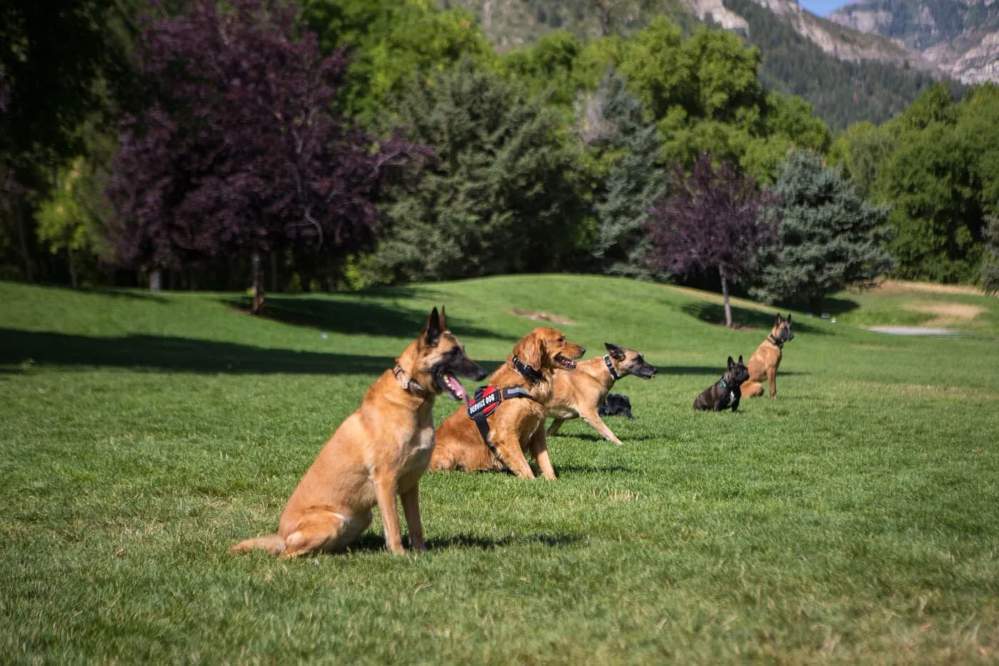
Bringing home a puppy is an exciting experience, but it also comes with challenges. Young dogs are naturally curious, energetic, and still learning how to interact with people, animals, and their surroundings. This is why puppy behavior training Scottsdale programs play an important role in helping puppies develop healthy habits from an early age.
Training is not simply about teaching commands like sit, stay, or come. Effective puppy training focuses on communication, confidence, and understanding why dogs behave the way they do. With proper guidance, puppies can learn appropriate behaviors, manage their energy, and become reliable companions as they grow.
Early training also gives owners the tools needed to prevent common issues such as excessive barking, chewing, jumping, fear-based reactions, and difficulty following boundaries. A structured approach creates a stronger relationship between dogs and their owners while supporting long-term behavioral success. Programs from Rob’s Dog Training provide professional guidance to help puppies and owners build a positive foundation for lifelong companionship.
Why Early Puppy Training Matters
The first months of a puppy’s life are a critical period for learning. During this stage, puppies are developing their social skills, emotional responses, and understanding of the world around them.
Without consistent guidance, puppies may develop habits that become more difficult to change later. For example, a puppy that is allowed to jump on guests or chew furniture without correction may continue these behaviors into adulthood.
Early training helps puppies learn:
- Appropriate ways to interact with people and other animals
- How to respond to household rules and expectations
- How to remain calm in unfamiliar situations
- How to build confidence through positive experiences
- How to communicate their needs more effectively
A well-trained puppy is not created through punishment or fear. Instead, successful training uses patience, consistency, and rewards to encourage behaviors owners want to see repeated.
Understanding Puppy Behavior and Communication
Puppies communicate primarily through body language and behavior. Learning to recognize these signals allows owners to respond more effectively and address issues before they become larger concerns.
Common puppy behaviors often have underlying reasons. For example:
Chewing and Teething
Chewing is a natural part of puppy development. Puppies explore their surroundings through their mouths, and teething can make them seek out objects to relieve discomfort.
Instead of simply stopping the behavior, owners should redirect puppies toward appropriate chew toys and reinforce good choices. Providing structure helps puppies understand what they can and cannot chew.
Jumping on People
Many puppies jump because they are excited and looking for attention. If jumping consistently receives attention, even negative attention, the puppy may learn that the behavior works.
Training encourages puppies to greet people calmly by rewarding behaviors such as sitting or keeping all four paws on the ground.
Barking and Attention-Seeking
Barking can happen for many reasons, including excitement, boredom, fear, or a desire for interaction. Understanding the cause is essential because the solution depends on the motivation behind the behavior.
A professional approach to puppy behavior training Scottsdale can help owners identify triggers and teach puppies healthier ways to respond.
The Role of Positive Reinforcement in Puppy Training
Positive reinforcement is one of the most effective methods for teaching puppies new skills. This approach focuses on rewarding desired behaviors instead of relying on intimidation or harsh corrections.
Rewards may include:
- Treats
- Praise
- Playtime
- Toys
- Access to activities the puppy enjoys
When puppies receive positive feedback for making good choices, they are more likely to repeat those behaviors.
Positive reinforcement also helps build trust. Puppies that feel safe and understood are often more willing to learn, adapt, and respond to their owners.
Key Elements of Effective Puppy Behavior Training
A successful training program addresses more than basic obedience. Puppies need guidance in multiple areas to become balanced adult dogs.
Basic Obedience Skills
Commands such as sit, stay, come, and leave it create a foundation for communication. These skills are practical tools that can improve safety and make daily routines easier.
For example, a reliable recall command can help prevent dangerous situations by allowing owners to call their dogs back when needed.
Socialization and Confidence Building
Socialization teaches puppies how to respond appropriately to different environments, sounds, people, and animals.
A properly socialized puppy is more likely to remain calm when experiencing:
- New locations
- Different surfaces
- Visitors
- Other dogs
- Everyday noises
Socialization should be gradual and positive. Overwhelming a puppy with too many new experiences at once can create fear rather than confidence.
Impulse Control
Puppies naturally have high energy and limited self-control. Training helps them learn patience and appropriate responses.
Impulse control exercises may include:
- Waiting before eating
- Remaining calm when guests arrive
- Avoiding unwanted objects
- Sitting before receiving attention
These skills help puppies become easier to manage in everyday situations.
Common Puppy Training Mistakes Owners Should Avoid
Even with the best intentions, many owners accidentally reinforce behaviors they want to stop. Understanding common mistakes can make training more effective.
Inconsistent Rules
Puppies learn through repetition. If a behavior is allowed sometimes but corrected at other times, puppies may become confused about expectations.
Everyone in the household should follow the same training approach to provide clear communication.
Waiting Too Long to Start Training
Some owners believe puppies should wait until they are older before beginning training. However, puppies can start learning basic behaviors as soon as they come home.
Early lessons create a foundation that makes future training easier.
Focusing Only on Commands
Obedience commands are important, but behavior training involves much more. A puppy that knows “sit” may still struggle with anxiety, excessive excitement, or poor social skills.
A complete approach considers the puppy’s emotional development, environment, and individual personality.
How Professional Training Supports Long-Term Behavior
While many owners practice training at home, professional guidance can provide valuable structure and expertise. Trainers understand canine behavior patterns and can help identify the reasons behind specific challenges.
Professional puppy training can help with:
- Creating consistent training routines
- Addressing unwanted behaviors
- Improving communication between owners and puppies
- Building confidence in different environments
- Teaching owners effective training techniques
The goal is not simply to train the dog during sessions. It is to give owners knowledge they can continue using throughout the dog’s life.
Experienced trainers also recognize that every puppy is different. Breed traits, personality, past experiences, and home environments can influence how a puppy learns and responds.
Creating a Strong Relationship Through Training
Training is one of the most meaningful ways owners can connect with their puppies. Each successful interaction builds trust and helps dogs understand what their owners expect.
A strong training foundation can lead to:
- Better communication
- Reduced stress for both dogs and owners
- Improved safety
- More enjoyable daily routines
- Greater confidence in new situations
When puppies understand boundaries and receive consistent guidance, they are more likely to become calm, adaptable adult dogs.
Choosing the Right Puppy Training Approach
Every puppy has unique needs, so the right training approach should consider temperament, goals, and lifestyle. Owners should look for training programs that focus on humane methods, clear communication, and practical results.
Important factors to consider include:
- Trainer experience with puppy development
- Training methods used
- Focus on owner education
- Ability to address specific behavior concerns
- Support beyond basic commands
A quality training program should help both puppies and owners succeed together.
Start Building Positive Puppy Habits Today
The habits puppies develop early can influence their behavior for years. With consistent guidance, proper socialization, and effective training methods, owners can help their dogs grow into confident and well-behaved companions.
Puppy behavior training Scottsdale provides the foundation needed to address common challenges while creating a stronger bond between dogs and their families. Whether a puppy needs help with obedience, social skills, or everyday manners, the right training approach can make a lasting difference.
For professional guidance and personalized puppy training support, visit Rob’s Dog Training to learn more about available training solutions.