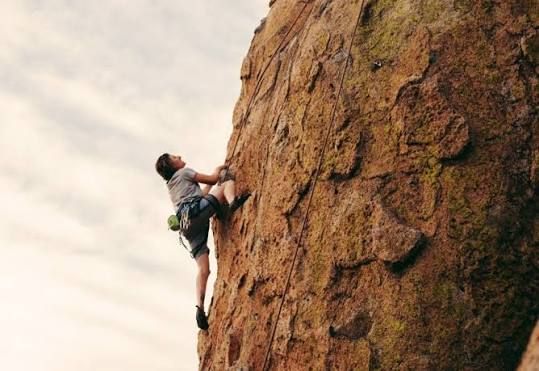
While Hampi is often recognised for its remarkable ruins, it deserves to be identified for another impressive thing. Striking boulders made of large granite rocks are found throughout the area. The rocks vary greatly in size and shape, making it the ideal spot for both experienced climbers looking to hone their bouldering technique and for newbies without any experience.
Bouldering is climbing short rock faces with a thick foam crash pad on the ground. You stay low, so the focus is on balance, grip and footwork. That simple setup is why Hampi suits first-timers. Still, a few practical steps make the experience safer and more enjoyable.
Choosing the right season in Hampi
The best time for climbers to visit is between October and March. November and December are especially cool months. Although summer is not ideal due to extreme heat, the monsoon will leave the area’s rocks wet.
Even in the cool months, midday sun can be strong. Many climbers start at sunrise and return in the late afternoon. Choose sections of boulders that are in shade at the time you climb.
Where to start climbing in Hampi
One of the best spots to practice bouldering is in the northern part of the Tungabhadra River, around Virupapur Gaddi, known as Hampi Island. Anegundi is another highly frequented spot for climbers. Climbers can cross the water between Hampi Bazaar and Hampi Island using either a motorboat or a coracle boat.
Some access rules may vary. The best source of information would be local climbers, allowing one to keep up with current news on access to certain areas. Remember to avoid climbing on or near the areas of protected temples and ruins.
Finding a guide in Hampi
First-timers should climb with a local guide. A good guide chooses easy problems, shows you how to place the crash pad and spots you when you fall. Several local climbing operators work around Virupapur Gaddi and Anegundi, and many guesthouses can introduce you to a guide.
Make sure to enquire about what is provided prior to giving your approval. Most programs will provide climbing shoes, crash pads, and chalk. Be sure to check the number of people in the group, as this has a bearing on how much you learn when practicing your falling techniques.
What to bring for climbing in Hampi
Pack light and think about sun and heat. Wear flexible clothing that lets you move your legs and arms freely. Bring a hat, sunscreen, a refillable water bottle and a small first aid kit. Closed shoes help on the walk between boulders, since the ground is uneven and sharp in places.
Avoid keeping food within reach. Monkeys and langurs inhabit the boulder fields, and they will get into whatever they see. Do not feed the animals and do not leave your pack unattended.
Learning the basics in Hampi
Your guide will show you some easy movements first. Keep your arms even and try climbing mainly using your legs. Look for foot holds before reaching for the next hold. If you feel that you will fall, try stepping back and keeping your knees bent while landing on the pad instead of reaching with your arms.
Start with a few very low climbs and practice slowly. It is normal to have sore forearms and tender fingertips after the first session. Rest the next morning, drink enough fluids, and do not try to push it.
Where to stay near the Hampi boulders
In recent years, lodging options near the boulders have changed, and certain guest houses on Hampi Island have ceased operations. Be sure to see what is open before you plan your stay. Many climbers now base themselves in Hampi Bazaar or Anegundi and cross the river for the day. Hotels in Hampi near the main bazaar make mornings easier, since you can catch an early boat and be on the rocks by sunrise.
Making the most of Hampi after a session
Plan your day around the ruins. A sunset view from Matanga Hill or a stroll around the Virupaksha Temple area will allow you to rest your arms and see the same rocky terrain from a different perspective.
The first trek in Hampi is easy, as long as you exercise patience, have a well-informed guide, and are aware of your own restrictions. The right season, the right guide, and the right strategy will make a way and inspire you for your future climbs, so be prudent and plan it right.