
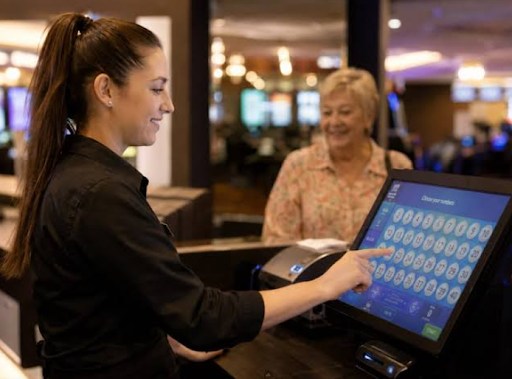
RCG certificate can assist people in getting ready for employment within responsible gambling contexts like licensed venues. The qualification helps with the understanding of customer care, legal duties, and conduct in the workplace. Learners receive game-based context prior to entering into game-based roles. With that preparation, it becomes easier to follow the expectations and professionalism of the workplace. It also enables them to come across customers in a more aware and consistent way. That information can bolster preparedness among hospitality workers in licensed venues.
Career Access
Obtaining RCG certification can help with job opportunities that take into account knowledge of responsible gambling. It is important for employers to recognise that individuals are worth employing if they possess a good understanding of venue obligations prior to starting work in gaming. These kinds of applications can have a sense of authenticity. It is also indicative of willingness to meet industry expectations. That know-how may make the first step in a job seeker’s professional life more powerful.
Venue Awareness
Licensed venues are set in well-defined duties, and once the workers know this environment, they can adapt better. Training introduces responsible gambling language, expectations and procedures. The familiarity can ease the induction process in the workplace as main concepts are not intimidating to new faces. Students are also more aware of the impact of their actions on the customer and how they can have an impact on their colleagues. Staff increased venue awareness and an understanding of the broader reason for venue rules, which helped to promote consistent staff behaviour.
Customer Care
Following procedures is not the only aspect of responsible service: it’s also a matter of appreciating how customers experience the venue. An RCG certificate may assist a worker in identifying that behaviour might need attention or the appropriate support. This expertise promotes minimising any unwarranted presumptions about individual customers, an interaction that needs to be done with respect. Staff have the opportunity to communicate more thoughtfully and yet not violate venue policies and professional limits. The consideration approach helps to maintain customer wellbeing and is a step towards making gaming areas more responsible.
Sound Judgement
You may face situations in your way to and from the game that don’t always follow a clear or logical sequence. Learners can think about context and determine their response(s) within a scope of responsibilities as a result of training. This can enhance the customer’s sense of judgement when their behaviour, venue expectations or staff concerns call for careful consideration. Workers learn to navigate through steps of guidance as opposed to acting without thought and asking for assistance. When faced with difficult decisions in the workplace, sound judgement can help to create more consistency and improve workforce confidence.
Team Trust
The model of responsible games is best achieved when employees are aware of how their actions are linked to the bigger picture. Training provides a common base for employees to communicate better with each other about concerns, processes and interactions with the customer. This shared ownership can enhance the collaboration among floor staff, supervisors, and venue management. If everyone is operating under the same expectations, communication will be easier and responses more coordinated. When managers, colleagues and workers unanimously share a clear understanding of each other’s roles and responsibilities and take professionalism seriously, trust builds.
Professional Image
A qualification can accentuate workers’ appearance when they enter a hospitality and gaming setting. It demonstrates a revolution from the mundanity of a reactive service to a deeper level of serious consideration for responsible service. It can enhance a more business-like appearance during the recruitment and induction process and throughout the workplace. It also enables workers to express their jobs with confidence without appearing uncertain and ill-prepared to speak about them. Every time a worker shows a professional demeanour, it’s usually through small amounts of conventional proof that they know what it takes to be a professional.
Transferrable Value
Information being valuable about responsible gaming being valuable can be applicable in various venues, to various groups of guests and in various hospitality settings. That doesn’t change the principles of responsible conduct in the workplace. That knowledge can be transferred into new jobs in the workplace without having to learn everything from the ground up. Participation in the training also helps in the development of a range of other skills, including observation, communication, judgement and professional responsibility. These skills can enhance performance outside of the gaming arena and have a positive impact on wider hospitality careers.
Conclusion
An RCG certificate can be helpful for anyone who is interested in a career in responsible gaming or in the hospitality sector. It helps you to have greater awareness of the venue, excellent customer service, sound judgement and confidence in your writing skills. The qualification could be a way of building industry credibility as there is a sign that industry expectations are being acknowledged. The staff have an understanding of how to communicate with each other, and are able to assist with ensuring consistent, responsible service practices. These skills are applicable to various settings and diverse hospitality contexts throughout the years. When making a career in licensed positions, preparation can help make everyday responsibilities feel more clear and manageable. Having a more informed and reliable starting point, through professional development, can help set the foundation for continued professional growth.
