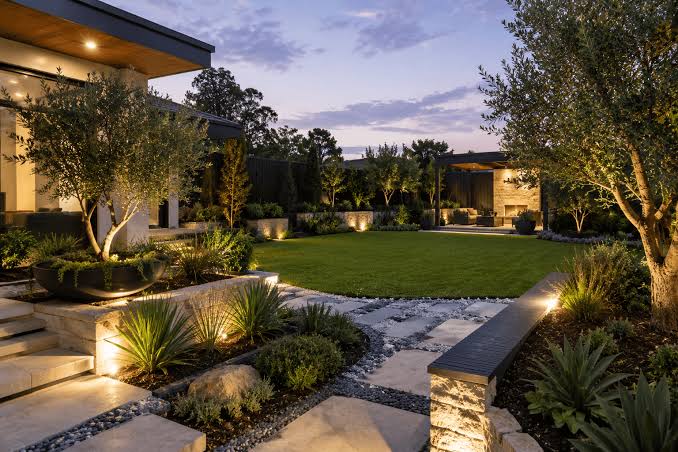
Most Adelaide homeowners are sitting on a climate that is genuinely well-suited to outdoor living and doing relatively little with it — not because they lack interest but because the gap between what a garden could be and what it currently is tends to feel large enough that starting feels difficult without a clear sense of where to begin. The long dry summers, the mild winters, and the general pattern of the Adelaide year create conditions where a well-designed outdoor space can be genuinely usable across most of the calendar rather than reserved for the occasional mild weekend — but only when the design has been built around those conditions rather than imported from a gardening tradition developed for a completely different climate. Landscaping in Adelaide that begins from an honest understanding of what the local environment makes easy and what makes it difficult produces gardens that work continuously rather than looking good for two months and spending the rest of the year revealing the limitations of decisions made without adequate local knowledge.
What Adelaide Soils Actually Do to Plants
The soil conversation in Adelaide landscaping gets skipped far more often than it should, and the gardens that establish poorly, require constant remediation, or simply fail to look as good as their plant selection and design suggested they should are frequently gardens where the soil profile beneath the surface was never adequately addressed before the planting went in. Heavy clay profiles common across many Adelaide suburbs hold moisture in ways that suffocate roots during wet periods and crack during the dry, whilst the sandy soils of coastal and northern areas drain so freely that irrigation inputs are largely wasted before plants can access them. Neither profile is a barrier to a good garden. Still, both require specific preparation strategies that are quite different from each other and from the generic soil improvement advice that applies to neither situation with any precision.
The Shade Problem Most Designs Miss
An outdoor area in Adelaide that was not designed with shade as a primary structural consideration rather than an aesthetic addition will become an outdoor area that cannot be used for a significant portion of the year — which is a more expensive mistake than it sounds when the paving, the outdoor kitchen, and the furniture have already been installed, and the realisation arrives that nobody wants to sit there between ten in the morning and five in the afternoon for about half the year. Landscaping in Adelaide that treats shade as something to be retrofitted into a completed garden rather than designed into its bones from the outset consistently produces outdoor spaces that are functional in a limited way and frustrating in the ways that matter most during the long Adelaide summer when the outdoor space is most needed and least usable.
The Connection Between Inside and Outside
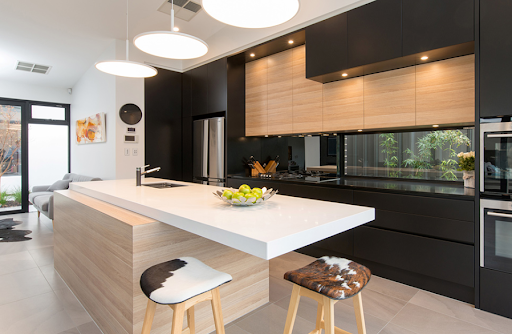
The most successful Adelaide outdoor spaces are almost always those where the transition between the interior of the home and the garden was treated as a design problem in its own right rather than as a consequence of where the back door happens to be located. Level changes, flooring material transitions, the width of openings between inside and outside, the visual relationship between the interior and the garden when viewed from inside — all of these affect how naturally the household moves between indoor and outdoor spaces and how genuinely integrated the outdoor area feels as an extension of the home rather than a separate space that requires a deliberate decision to use. Getting this transition right is frequently what separates outdoor areas that become genuinely central to how a household lives from those that are theoretically available but rarely actually occupied.
Irrigation Design That Saves the Garden
Irrigation in an Adelaide garden is not a luxury addition to be considered once the main design decisions have been made — it is a fundamental infrastructure requirement whose design needs to be integrated with the planting scheme from the outset rather than retrofitted around established plants that are already showing the stress of their first Adelaide summer. Drip irrigation to individual plants, pop-up systems zoned by water requirement rather than by convenience, soil moisture sensing that prevents watering in the days following rainfall, and the relationship between irrigation schedule and specific plant establishment stages are all design details that determine whether a newly installed garden survives its first dry season or requires costly remediation before it has had any opportunity to establish.
Conclusion
Landscaping in Adelaide gives homeowners the opportunity to create outdoor spaces that work with the local climate, respond to the specific soil conditions of their site, and function as genuine extensions of the home across most of the year rather than seasonal afterthoughts. The gardens that consistently deliver on this potential are those where the design process is engaged seriously with the specific challenges and opportunities of the Adelaide environment rather than importing solutions developed for conditions that do not apply here.